I’ve decided to take you along on my sewing machine adventure/journey. I have a few machines in my collection that can sew various projects or sewing tasks. I will share the strengths/weaknesses and any issues I have encountered. To start this journey, we need to go back in time.
My Viking Platinum 770
You’ve heard me say in my previous sewing blog posts my Viking Platinum 770, a 20+ year old vintage machine, is my main workhorse sewing machine. Even though it struggles with heavy weight fabrics and hesitates sewing over thick seams, it still sews just about everything I throw at it. Sometimes I have to tweak/adjust my sewing process and/or speed in order to complete my projects.

When I first purchased my Viking machine, I used it to sew my own clothes. I created several jackets using home dec fabrics and sewed dozens of buttonholes. I sewed many knit wear garments including tops/t-shirts, skirts, and pants. I had fancy shiny fabrics that I used to create a few formalwear pieces. I also sewed a variety of bags. So, you can see why it’s my workhorse sewing machine.
Here are a few recent pieces I made.

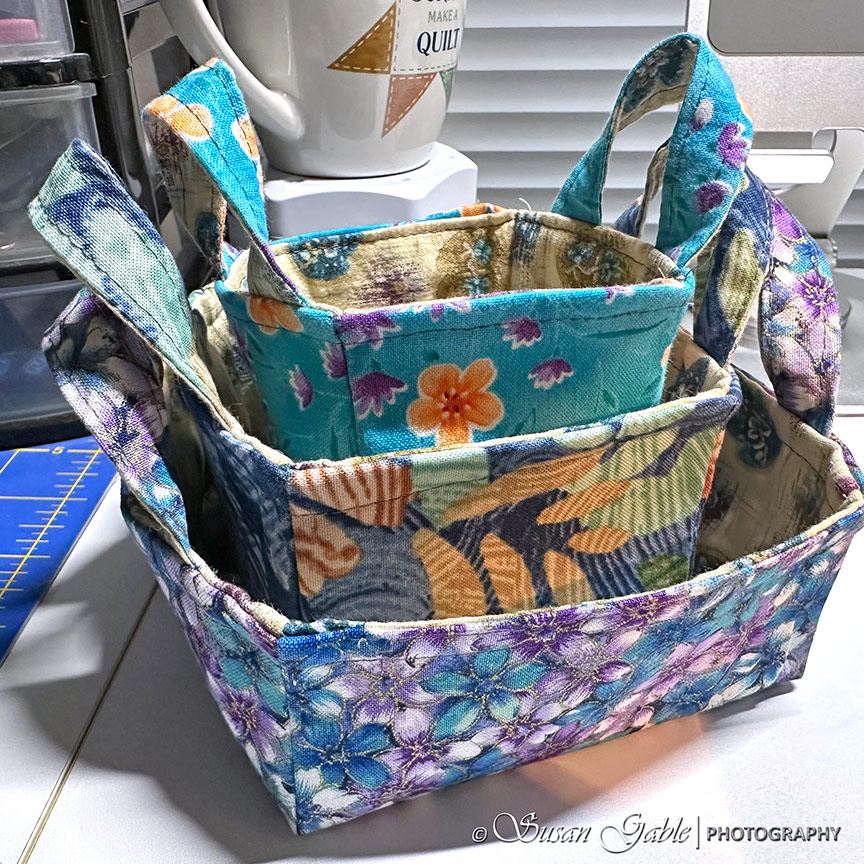
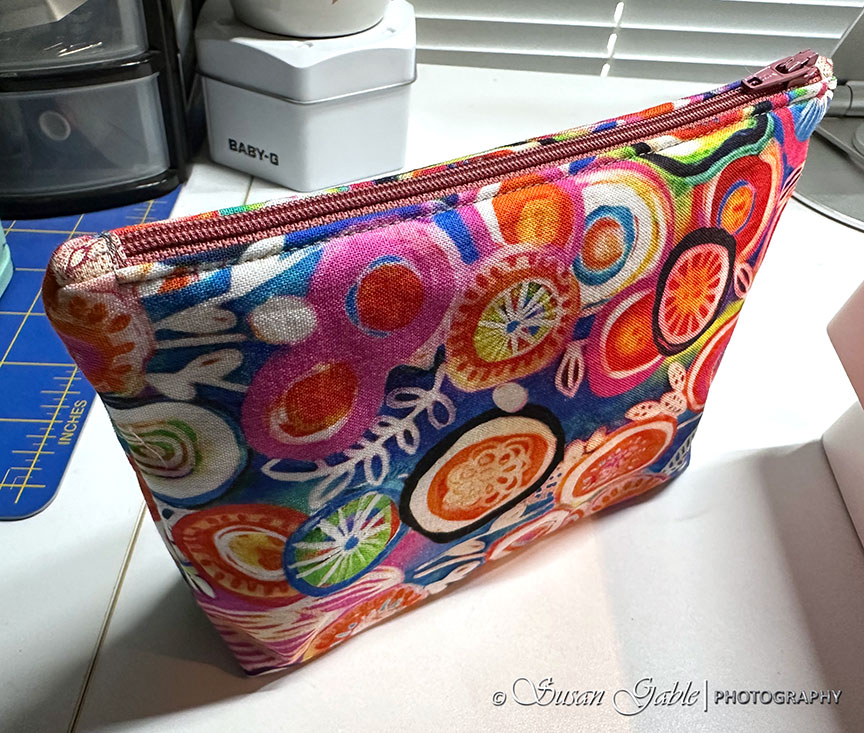
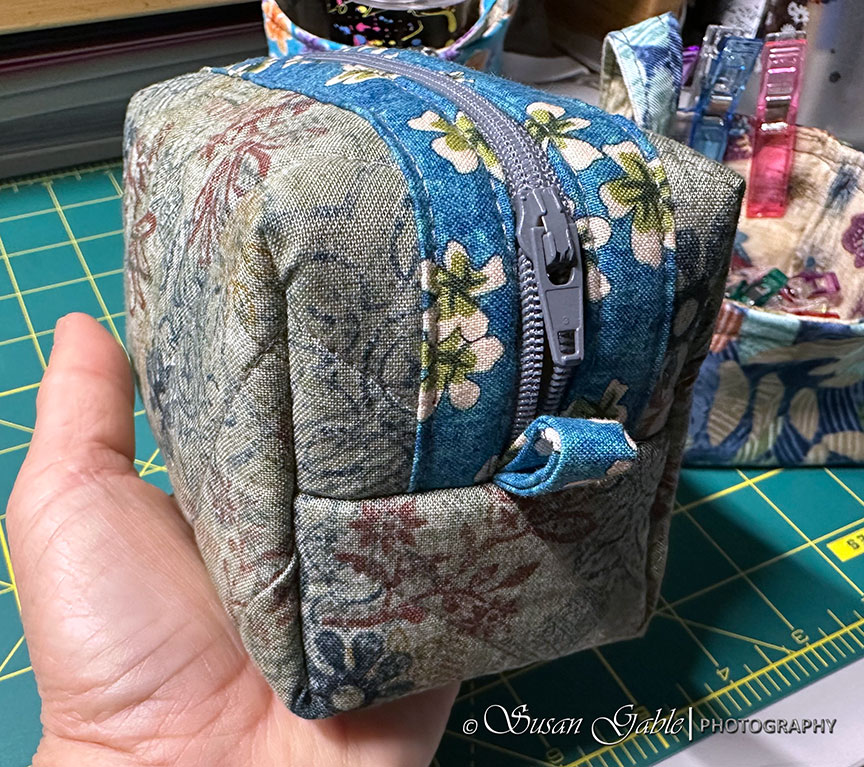

This is what happened when I became one with my sewing machine. Endless sewing possibilities.
My Babylock Jubilant
I have a 6-year old Babylock Jubilant (portable) that I use when I travel or need to use a sewing machine somewhere else in my house. I call this machine my workhorse travel machine. It sews over cotton and batik fabrics beautifully. Also, it can sew over lightweight home decor fabrics as well.
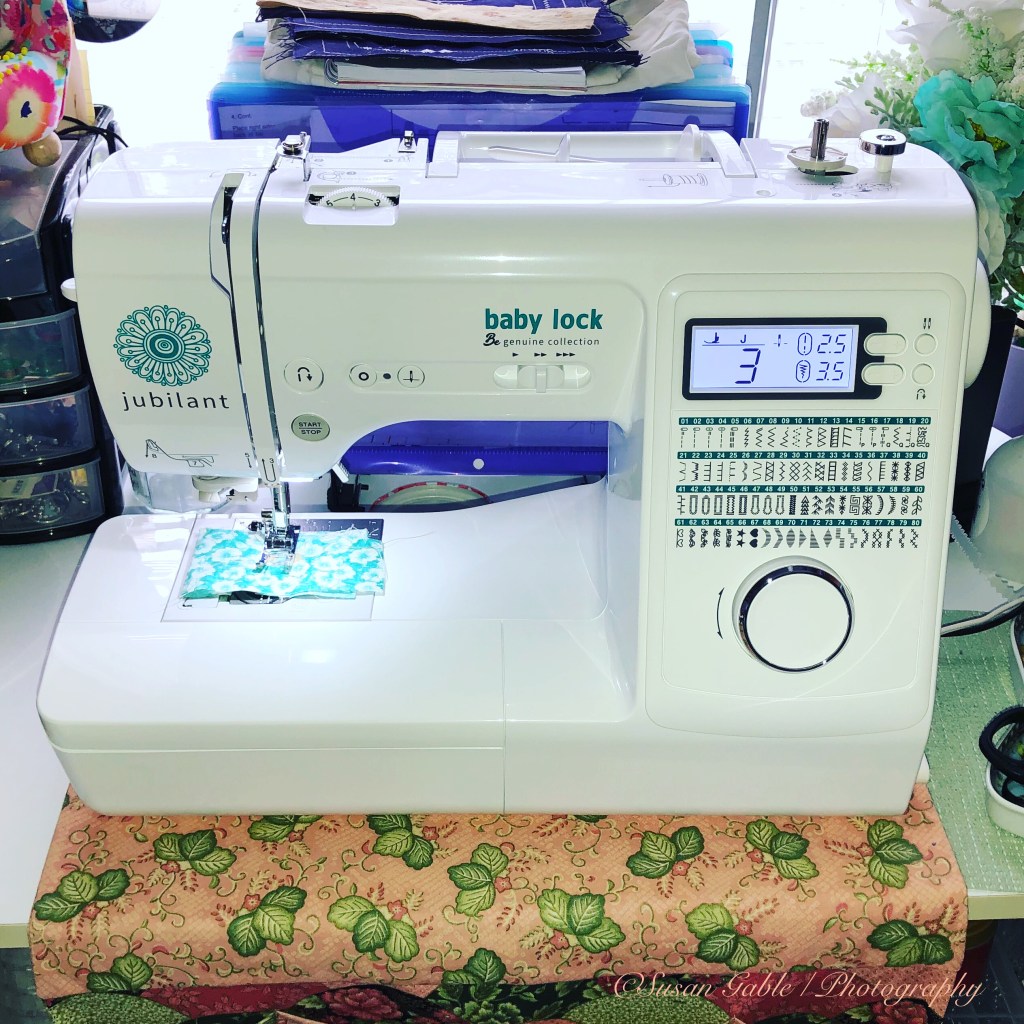
My Jubilant with its walking foot sewed my cotton sandwich quilts beautifully.
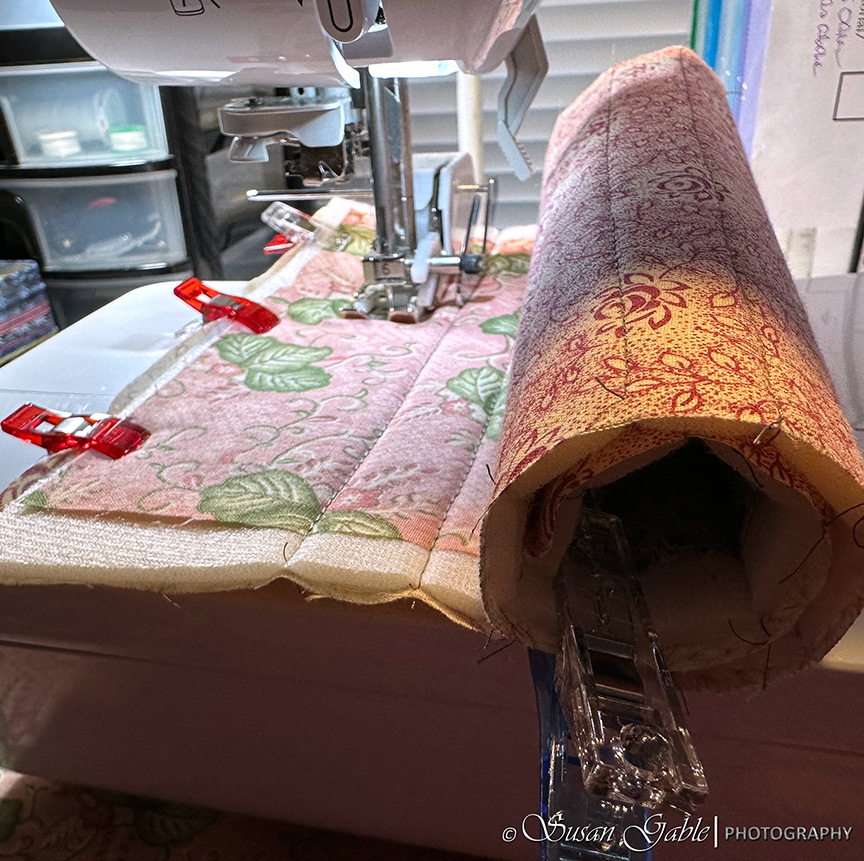
Here’s the final quilted pouch I sewed with my Jubilant.

Both of my machines are computerized. The only maintenance I do on these machines is clean out the lint from the bobbin area. I will also take a soft brush and clean the areas above and around the needle bar. Another way I take care of my sewing machines is to not pull or tug on the fabric while sewing. All I do is guide the fabric along while sewing the stitches.
Mechanical Machine & Initial Personality
My two vintage Singer sewing machines are mechanical machines that uses electricity to sew. The internal components are basically metal rods and gears working together. When my machine is plugged into an outlet, it’s basically “on” or “live” and waiting for the pedal to be pushed down. When my sewing time is finished, I have to remember to unplug the machine’s cable from the power outlet. There is no off/on switch for the main machine. The toggle on/off switch that can be seen in my pictures is for the light/lamp.
My Singer Featherweight (221)
When I get a new-to-me sewing machine, I typically like to give my machine a few sewing projects to see the sewing capabilities and personalty. I did this also with my Featherweight sewing machine a few years ago. It gave me a chance to see what the machine can do (or not do) and get a feel for the machine’s overall personality.
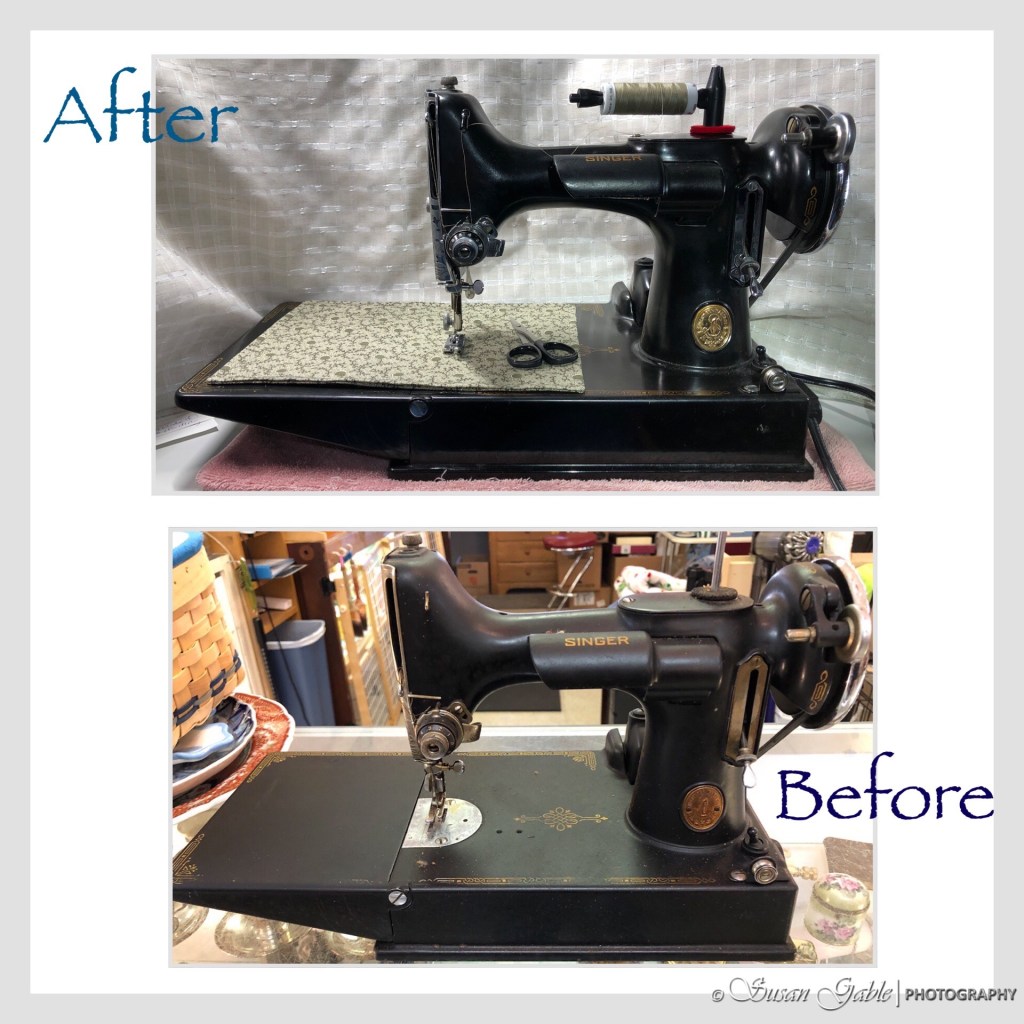
I mentioned that I purchased my Featherweight at an antique shop a few years ago. The dealer plugged the machine in and I pushed the pedal. I could hear the motor hum and that was it. No movement from the needle bar and I could not turn the wheel. I trusted my gut instinct and took it home. It required some elbow grease and patience and I was able to get it sewing. This little sewing machine has a special place in my heart. It’s small and mighty at the same time.
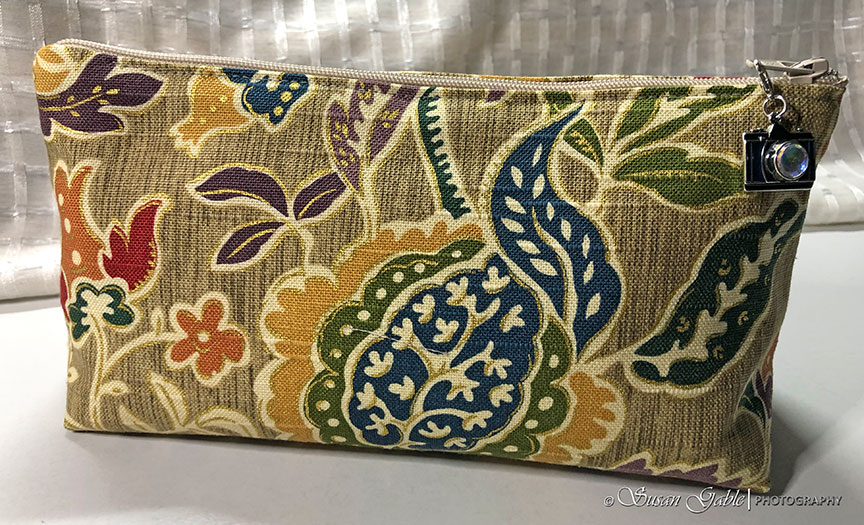
Here’s something I made with my Featherweight. I used a home decor fabric from my stash and installed a zipper to make this pouch.
I’ve read about folks who have several machines (vintage and/or computerized) in their possession/collection and use them for different sewing capabilities. One machine might do topstitching extremely well, one might handle basic sewing tasks, and another is more portable to carry around on their travels.
My Singer 201-2
I’ve been able to spend some quality time with my lovely 201. About 30 minutes to an hour over several days.
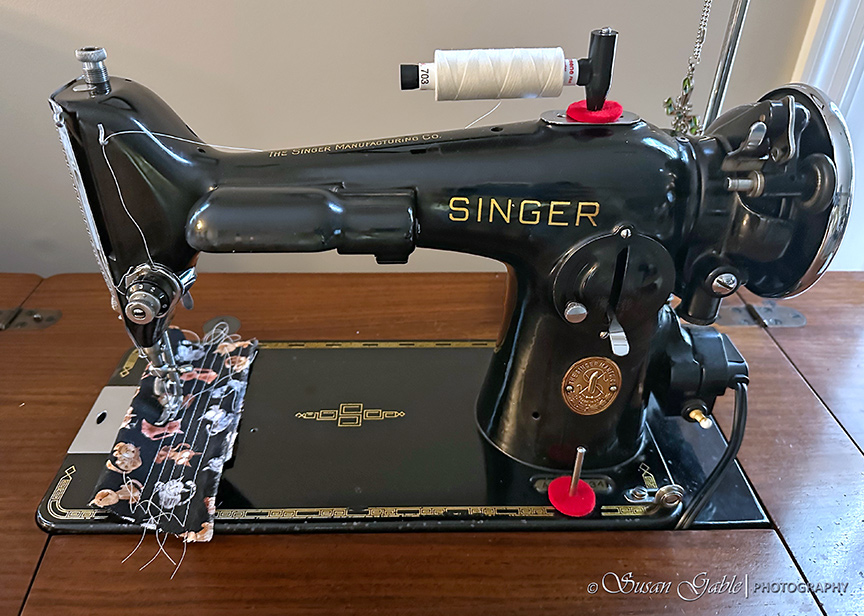
My 201 loves to show off its straight stitching capability. Initially, I’m thinking topstitching and finishing sewing projects. I’ve sewn over cottons/batiks, home decor, and denim fabrics. The machine sews beautifully.
One would think that a vintage sewing machine, might have an issue or two that would appear after sewing for a few minutes. I have uncovered a few issues with my 201 after running my machine through my sewing tests.
Issue #1: Backstitching
I’ve attempted to do some backstitching and noticed a problem. When I sewed my seam line to the end of the fabric, I stopped sewing. I flipped the stitch lever up on my stitch regulator and pressed the pedal to sew backwards. Flipped the stitch lever down and continued sewing to the end of the fabric. I looked at my backstitching and I noticed the fabric was puckering a bit. This happened while I was sewing over regular cotton fabrics. I did not see this problem while sewing on batik and home decor fabrics.
Issue #2: My rippled sandwich quilt
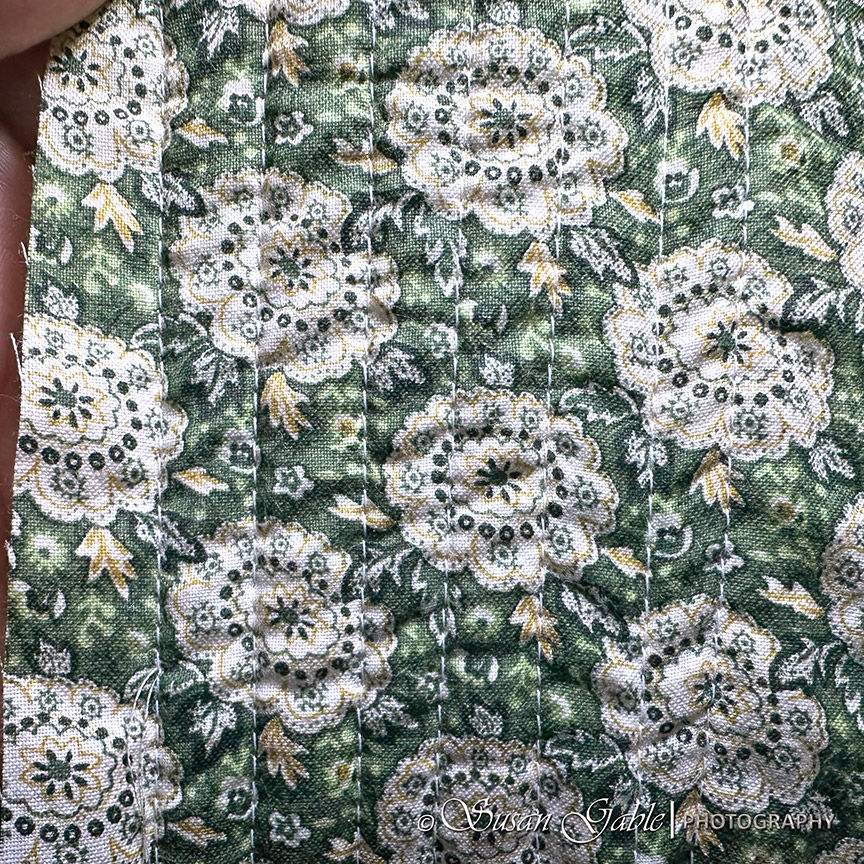
My 201 struggles with sewing over what I call my sandwich quilts. In between my two pieces of fabric I have my batting or fleece sandwiched together. I typically sew “lines” over my “sandwich” to produce a quilted fabric. My 201 has no problem sewing through the thick sandwich. I started to see the fabric pull a bit. Now, I have to admit I’m not using a walking feet, but the standard stitch foot that came with the vintage Singer machine. I’m trying to keep a “baseline” of what I’m using with my machine and the end results that appears. If I don’t do this, I will have a chaotic mess of trying to fix one problem and then another issue appears and/or nothing works and all I do is scratch my head all day.
On the underside of my sandwich quilt, the fabric is puckering big time.
Issue #3: Winding a bobbin and needle bar moves up/down
When I go to wind a bobbin, the needle bar would go up and down at the same time. I know to hold the hand wheel and loosen the clutch knob on the hand wheel by turning it a quarter turn towards me to disengage the needle bar. I would screw the clutch knob to tighten and then unscrew the knob and eventually the needle bar would stop going up and down. I did some research and found others had a similar experience. There are a few things I can try to fix this issue, but it will have to wait. For now, I’m still working on the “baseline” for my 201.
Summary
So far, those are the only minor issues I have uncovered.
My To-Do-List includes resolving the above three issues in addition to:
- Clean chrome parts/rods and remove old varnished oil
Buff out/clean scratches on the Bakelite (painted) areas with a polishing compound- Polish & shine the Bakelite with a cleaner wax for protection
- Give my 201 a good oiling. External oil holes/ports. Remove plates and oil internal areas: bobbin, presser foot bar, needle bar, internal rods, and other moving internal parts I can see.
My 201’s personality is showing a very robust and mighty machine. It should be as it’s made of cast iron. In an unassuming way, the machine sews quietly and smooth compared to my other machines.
Once I’ve completed my to-do-list, I’m sure my machine’s personality will really shine. I can’t wait.
I will be back to post about the final results of my baseline, resolving my issues, and the products I used.




Leave a comment